
Keeping your vehicle running safely starts from the ground up - and that means paying close attention to your brakes. Routine brake service is one of the most important things you can do to protect yourself, your passengers, and everyone else on the road; yet it's also one of the most commonly overlooked aspects of vehicle maintenance. Here’s a guide to some common warning signs about brake issues and what to do about them.
How Your Braking System Works
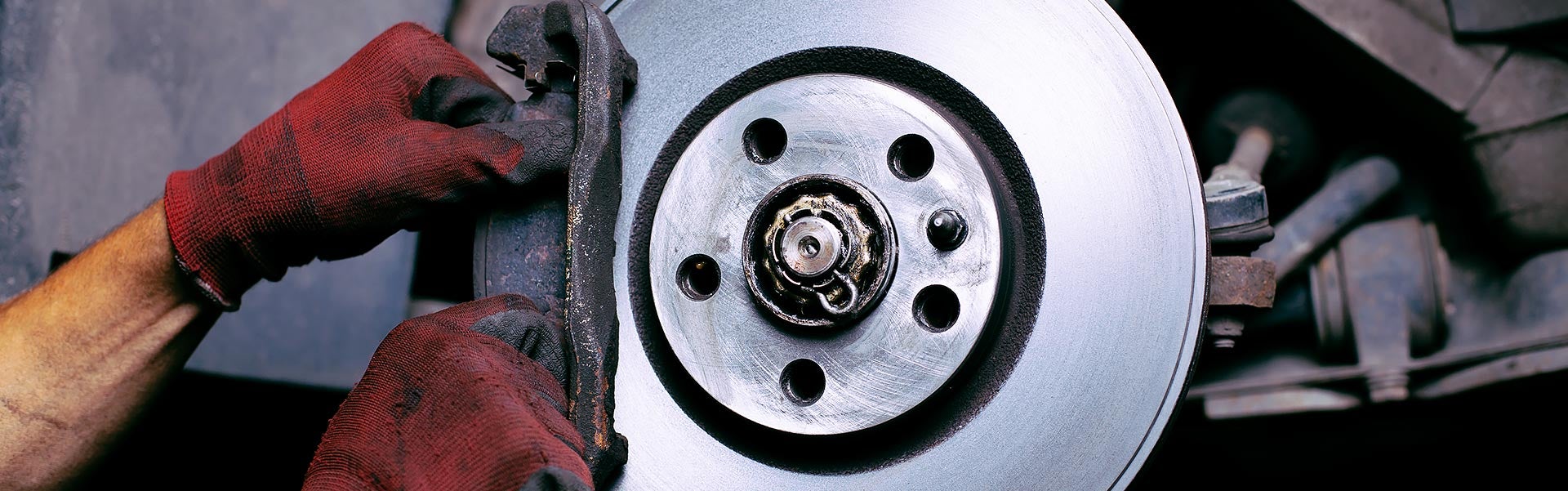
When you press the brake pedal, the master cylinder creates hydraulic pressure that travels through brake lines and hoses. At each wheel, calipers press brake pads against rotors, or wheel cylinders push shoes against drums on vehicles equipped with rear drum brakes. Friction slows the wheels. Brake fluid transfers the pressure, while the brake booster reduces pedal effort. The anti-lock braking system, or ABS, helps prevent wheel lockup during hard braking by adjusting hydraulic pressure. These parts work together, so an issue in one area can change how the whole vehicle stops.
What Are the Most Common Warning Signs?
A high-pitched squeal can indicate worn brake pads, although moisture and surface conditions can also cause temporary noise. If you hear grinding, especially with reduced braking performance, get your brakes inspected as soon as possible since metal components may be contacting each other.
Pulsation through the pedal or steering wheel can point to uneven rotor surfaces, while a vehicle pulling to one side may indicate a sticking caliper. A soft, sinking, or unusually firm pedal can signal a hydraulic or assist-system problem. A brake warning light or ABS light is another reason to arrange diagnosis instead of assuming a single component has failed.
Why Does My Car Shake When Braking?
Vibration during braking often draws attention to the rotors, but the cause is not always a warped rotor. Uneven friction-material deposits, rotor thickness variation, loose or worn suspension parts, and wheel or tire problems can produce similar sensations. A technician can measure rotor condition, inspect pad wear, and check related hardware before recommending resurfacing or replacement. That inspection helps distinguish a brake repair from another issue that only becomes noticeable while slowing down.
How Often Should Brakes Be Checked?
There is no universal mileage at which every vehicle needs new pads or rotors. Stop-and-go traffic, road conditions, driving habits, vehicle weight, and the type of brake material all affect wear. Follow the maintenance schedule for your vehicle and have the brakes inspected if performance or sound changes. An inspection can include pad thickness, rotor condition, caliper operation, hoses, fluid leaks, and the parking brake.
When Is It Unsafe to Keep Driving?
If the pedal drops toward the floor, braking power suddenly decreases, or a brake-fluid leak is suspected, stop in a safe location and call for professional assistance. Do not continue driving to see if the condition improves. A flashing or illuminated brake system warning light accompanied by abnormal stopping behavior also calls for immediate attention. Minor noises may have several explanations, but stopping performance should never be left to guesswork.
Trust DeFelice Auto Center With Your Brake Service
If you need brake service in Point Pleasant, NJ, DeFelice Auto Center can have an experienced technician inspect your brakes and recommend repairs based on the vehicle’s condition. Contact a service expert at DeFelice Auto Center to discuss your brake symptoms and review your service options. Catching a problem early helps protect key vehicle components and gives you total confidence on the road.