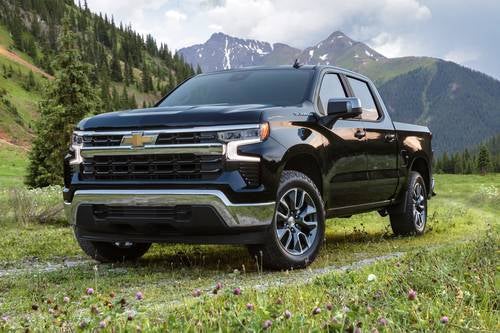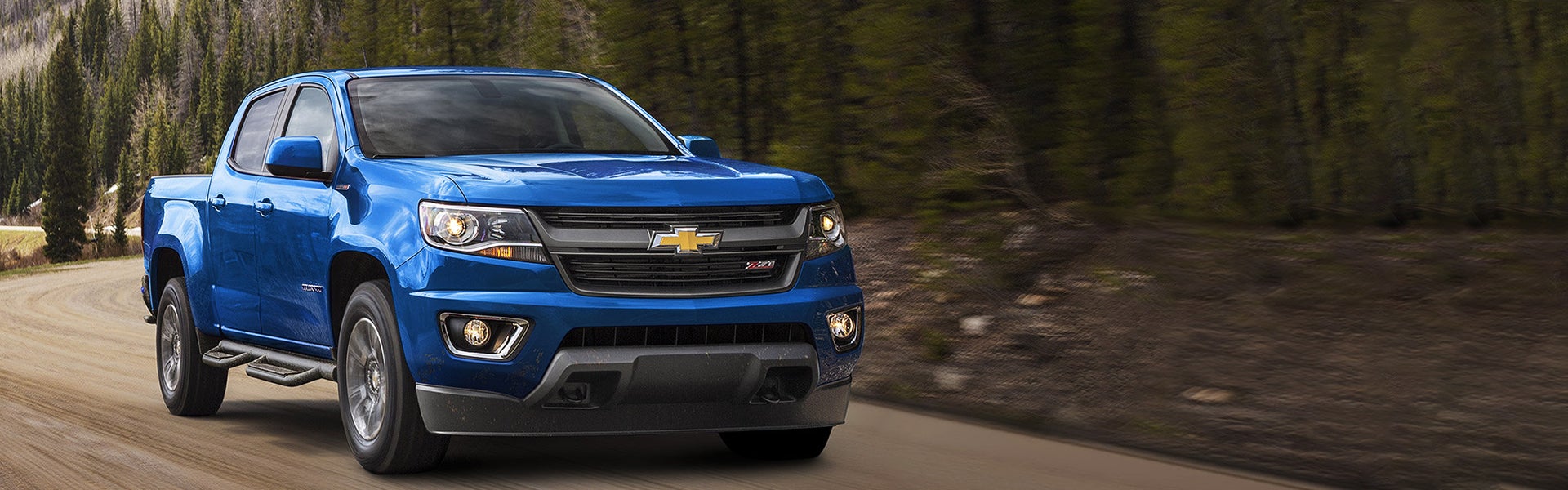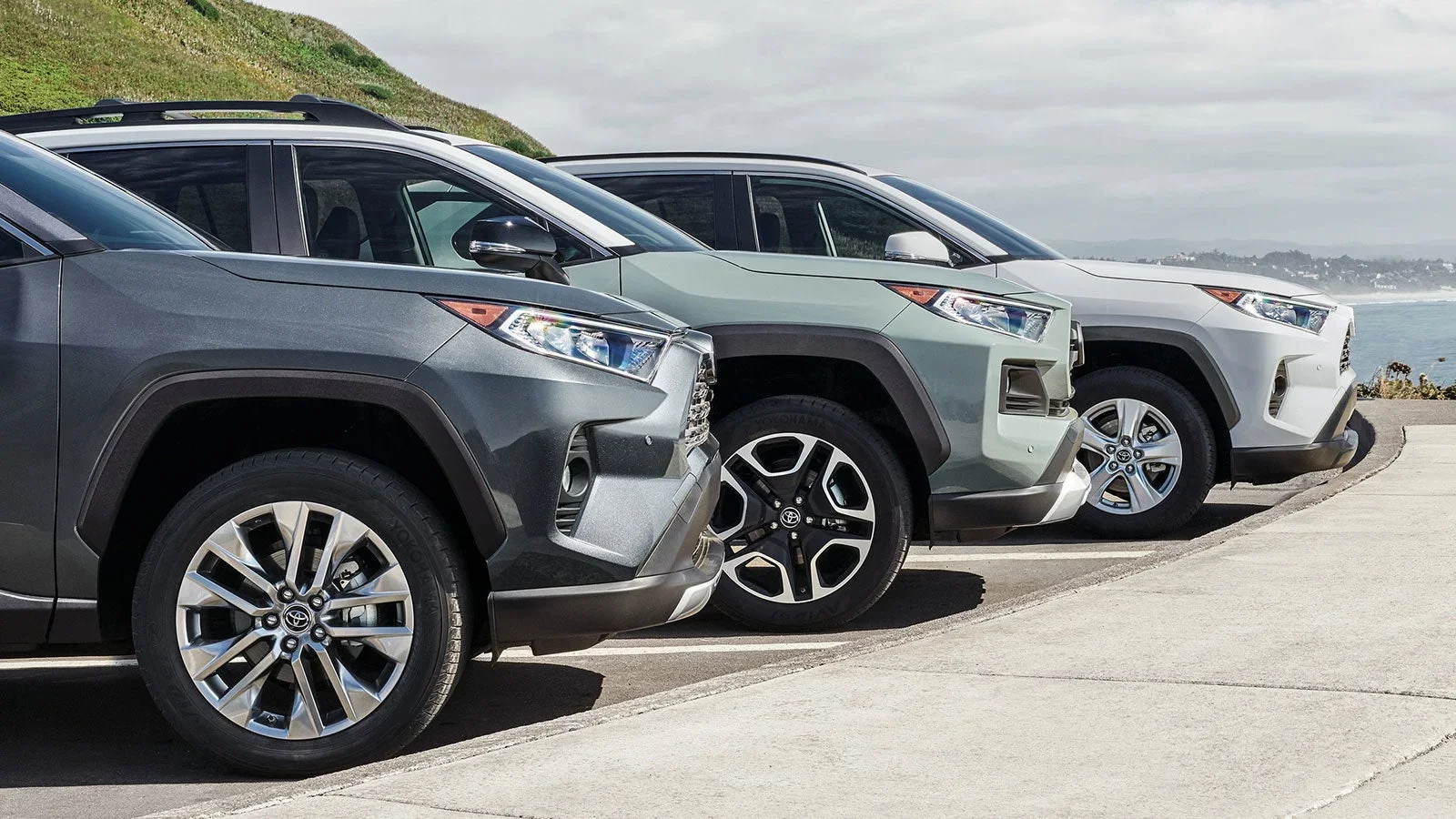

Buying your first pre-owned vehicle is one of the most exciting decisions you can make - and one of the most important. If you are looking for a practical car or a capable truck for weekend adventures, knowing how to navigate the process makes all the difference. This first time used vehicle buyers guide for drivers in Point Pleasant, NJ is here to walk you through everything step by step, so you can feel confident from the moment you start browsing. Know What You Need Before You Shop Before stepping onto any lot, take a moment to think honestly about your lifestyle. Do you need room for a growing family? Chevrolet's lineup includes options like the Traverse, a three-row SUV with room for up to 8 passengers, and the Suburban, one of the largest SUVs available, offering generous cargo space behind the third row. If you mostly drive solo or with one passenger, a compact option like the Trax or Trailblazer might match your needs better. Understanding how you will use your vehicle every day is the first step in learning how to choose a used vehicle that fits your life. Understanding Trim Levels and What They Add One of the trickier parts of shopping for a pre-owned vehicle is understanding trim levels. A base trim typically covers the essentials - like standard connectivity and cloth seating. Higher trims add features like leather-appointed seating, larger touchscreens, and driver assistance technology. For example, moving up in a Silverado 1500 can bring features like a Multi-Flex tailgate, a larger infotainment screen, and upgraded safety systems. When you know how to choose a used vehicle by trim, you avoid paying for features you won't use - or missing the ones you really wanted. Trucks, SUVs, and EVs: Matching the Vehicle to Your Life Chevrolet's used lineup covers a wide range of needs. If you haul or tow regularly, a pre-owned Silverado HD offers serious capability, while the midsize Colorado is a more manageable option for lighter work. If you are thinking about going electric, the Equinox EV and Blazer EV are part of Chevrolet's growing electric vehicle lineup and can make excellent used finds with modern technology already built in. The Bolt EV is another compact electric option worth considering. Inspecting a Pre-Owned Vehicle the Right Way Always check the vehicle history report for accident records and previous ownership. Look over the exterior for uneven panel gaps or mismatched paint, which can signal prior collision repairs. Inside, test every feature - the touchscreen, climate controls, and connectivity functions like available hotspot capability. Under the hood, check fluid levels and look for any signs of leakage. If you are unsure about anything you find, ask your sales professional to walk you through it or arrange a pre-purchase inspection with a certified technician. How Certified Pre-Owned Programs Add Peace of Mind Certified pre-owned programs exist specifically to reduce the uncertainty that comes with buying used. These programs require vehicles to pass a multi-point inspection, meet age and mileage requirements, and come backed by a limited warranty. That means you get documented confidence rather than just a seller's word. Visit DeFelice Auto Center in Point Pleasant, NJ Now that you have a solid foundation, the next step is finding the right vehicle in person. The team at DeFelice Auto Center is ready to help drivers in Point Pleasant, NJ work through every part of this process - from identifying the right model to walking through inspection and documentation. Stop by or visit DeFelice Auto Center online at defeliceauto.com to explore our current inventory, get pre-approved for financing, and take the next step toward your pre-owned purchase with confidence.
Signs You Need Brake Service in Point Pleasant, NJ
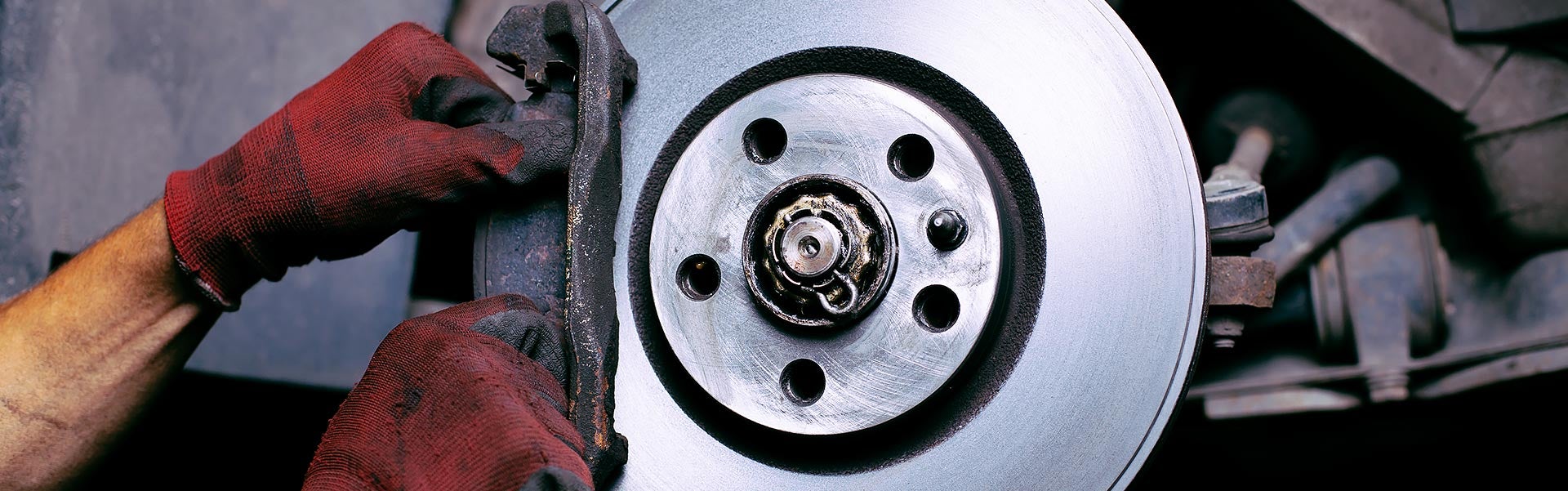
Keeping your vehicle running safely starts from the ground up - and that means paying close attention to your brakes. Routine brake service is one of the most important things you can do to protect yourself, your passengers, and everyone else on the road; yet it's also one of the most commonly overlooked aspects of vehicle maintenance. Here’s a guide to some common warning signs about brake issues and what to do about them. How Your Braking System Works When you press the brake pedal, the master cylinder creates hydraulic pressure that travels through brake lines and hoses. At each wheel, calipers press brake pads against rotors, or wheel cylinders push shoes against drums on vehicles equipped with rear drum brakes. Friction slows the wheels. Brake fluid transfers the pressure, while the brake booster reduces pedal effort. The anti-lock braking system, or ABS, helps prevent wheel lockup during hard braking by adjusting hydraulic pressure. These parts work together, so an issue in one area can change how the whole vehicle stops. What Are the Most Common Warning Signs? A high-pitched squeal can indicate worn brake pads, although moisture and surface conditions can also cause temporary noise. If you hear grinding, especially with reduced braking performance, get your brakes inspected as soon as possible since metal components may be contacting each other. Pulsation through the pedal or steering wheel can point to uneven rotor surfaces, while a vehicle pulling to one side may indicate a sticking caliper. A soft, sinking, or unusually firm pedal can signal a hydraulic or assist-system problem. A brake warning light or ABS light is another reason to arrange diagnosis instead of assuming a single component has failed. Why Does My Car Shake When Braking? Vibration during braking often draws attention to the rotors, but the cause is not always a warped rotor. Uneven friction-material deposits, rotor thickness variation, loose or worn suspension parts, and wheel or tire problems can produce similar sensations. A technician can measure rotor condition, inspect pad wear, and check related hardware before recommending resurfacing or replacement. That inspection helps distinguish a brake repair from another issue that only becomes noticeable while slowing down. How Often Should Brakes Be Checked? There is no universal mileage at which every vehicle needs new pads or rotors. Stop-and-go traffic, road conditions, driving habits, vehicle weight, and the type of brake material all affect wear. Follow the maintenance schedule for your vehicle and have the brakes inspected if performance or sound changes. An inspection can include pad thickness, rotor condition, caliper operation, hoses, fluid leaks, and the parking brake. When Is It Unsafe to Keep Driving? If the pedal drops toward the floor, braking power suddenly decreases, or a brake-fluid leak is suspected, stop in a safe location and call for professional assistance. Do not continue driving to see if the condition improves. A flashing or illuminated brake system warning light accompanied by abnormal stopping behavior also calls for immediate attention. Minor noises may have several explanations, but stopping performance should never be left to guesswork. Trust DeFelice Auto Center With Your Brake Service If you need brake service in Point Pleasant, NJ, DeFelice Auto Center can have an experienced technician inspect your brakes and recommend repairs based on the vehicle’s condition. Contact a service expert at DeFelice Auto Center to discuss your brake symptoms and review your service options. Catching a problem early helps protect key vehicle components and gives you total confidence on the road.