Blog / Engine Overheating

Why Is My Car Overheating? Common Causes Drivers Should Know

Engine Overheating

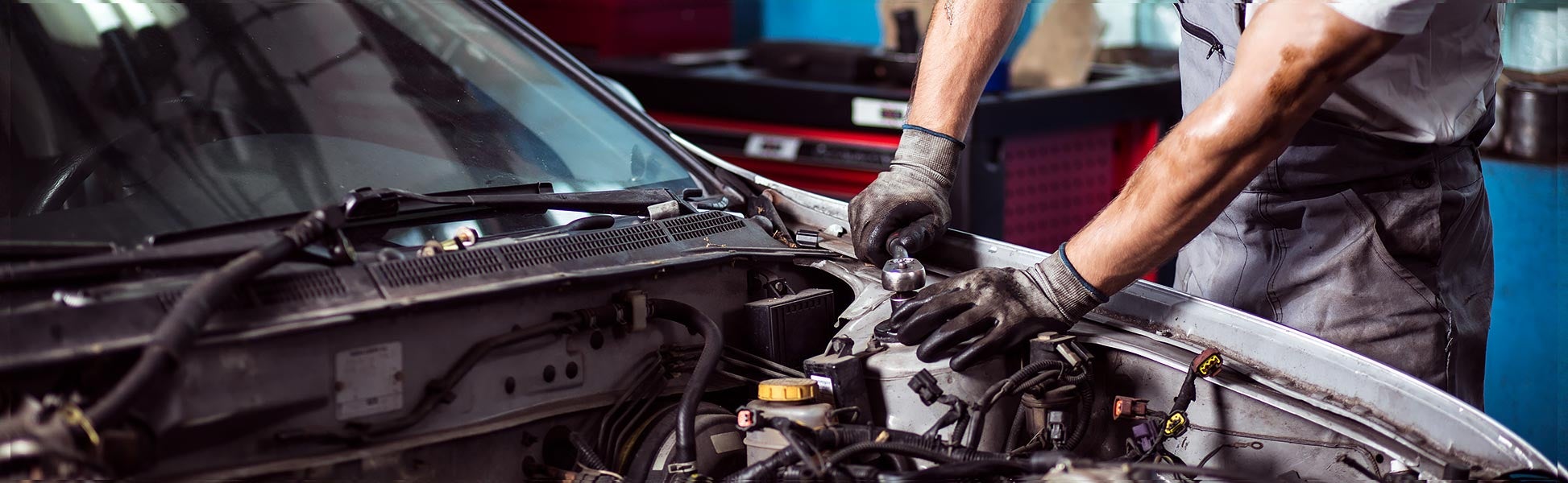
Watching your temperature gauge climb into the red zone is an alarming experience for any driver. Engine overheating in Point Pleasant, NJ can happen to any vehicle, but understanding the common causes helps you protect your engine from severe damage. If you notice your engine running hot, reach out to the certified technicians at DeFelice Auto Center in Point Pleasant, NJ for professional diagnostics and expert assistance.

What Does Engine Overheating Actually Mean? 

When an engine overheats, the cooling system can no longer maintain a safe operating temperature. Internal combustion engines generate substantial thermal energy during normal operation, relying on coolant, radiators, and water pumps to dissipate excess heat. If any component fails, temperatures rise rapidly, placing critical engine parts at risk of warping or cracking.

Low Coolant Is the Most Common Culprit 

Low coolant is one of the leading causes of engine overheating. Coolant circulates through the engine to absorb heat before releasing it through the radiator. When coolant levels drop due to a slow leak, an evaporated reservoir, or a damaged hose, the engine loses its primary thermal defense. Checking fluid levels regularly prevents severe overheating emergencies. 

A Faulty Thermostat Can Cause Big Problems 

The thermostat regulates the flow of coolant through the engine. When it sticks closed, coolant cannot circulate properly, causing temperatures to spike rapidly. Replacing a stuck thermostat is straightforward, but ignoring it can lead to catastrophic engine failure. If your temperature gauge rises unusually fast right after starting your vehicle, inspect the thermostat immediately.

Radiator Issues and Water Pump Failures 

The radiator dissipates heat from the coolant before recirculating it through the block. A clogged, damaged, or leaking radiator prevents adequate heat transfer. Similarly, the water pump circulates coolant throughout the entire system. If the pump fails from a worn impeller or broken belt, coolant flow halts immediately and causes rapid overheating. 

Don't Ignore a Blown Head Gasket 

A blown head gasket is a severe issue that leads to persistent engine overheating. The gasket seals combustion chambers and prevents coolant and oil from mixing. A failed gasket allows coolant to leak into combustion chambers, diminishing cooling capacity. Warning signs include white exhaust smoke, milky engine oil, and rapid coolant loss without visible external puddles. 

What To Do if Your Car Starts Overheating 

If your temperature gauge climbs into the danger zone, turn off the air conditioning and safely pull off the road immediately. Continuing to drive an overheating vehicle causes irreversible damage. Allow the engine to cool completely before opening the hood, and never remove the radiator cap while the system is hot. Seeking professional assistance promptly is the safest choice. 

Visit DeFelice Auto Center in Point Pleasant Boro, NJ 

Engine overheating in Point Pleasant, NJ requires prompt attention to avoid costly repairs. The team at DeFelice Auto Center has the expertise and equipment to diagnose cooling system faults accurately. If your vehicle suffers from a coolant leak, a failed thermostat, or a damaged radiator, early service protects your investment. Drivers throughout Point Pleasant Boro, NJ can count on DeFelice Auto Center for dependable automotive care. 


Posted in:

Related Posts

Brake Service

Signs You Need Brake Service in Point Pleasant, NJ

Keeping your vehicle running safely starts from the ground up - and that means paying close attention to your brakes. Routine brake service is one of the most important things you can do to protect yourself, your passengers, and everyone else on the road; yet it's also one of the most commonly overlooked aspects of vehicle maintenance. Here’s a guide to some common warning signs about brake issues and what to do about them. How Your Braking System Works When you press the brake pedal, the master cylinder creates hydraulic pressure that travels through brake lines and hoses. At each wheel, calipers press brake pads against rotors, or wheel cylinders push shoes against drums on vehicles equipped with rear drum brakes. Friction slows the wheels. Brake fluid transfers the pressure, while the brake booster reduces pedal effort. The anti-lock braking system, or ABS, helps prevent wheel lockup during hard braking by adjusting hydraulic pressure. These parts work together, so an issue in one area can change how the whole vehicle stops. What Are the Most Common Warning Signs? A high-pitched squeal can indicate worn brake pads, although moisture and surface conditions can also cause temporary noise. If you hear grinding, especially with reduced braking performance, get your brakes inspected as soon as possible since metal components may be contacting each other. Pulsation through the pedal or steering wheel can point to uneven rotor surfaces, while a vehicle pulling to one side may indicate a sticking caliper. A soft, sinking, or unusually firm pedal can signal a hydraulic or assist-system problem. A brake warning light or ABS light is another reason to arrange diagnosis instead of assuming a single component has failed. Why Does My Car Shake When Braking? Vibration during braking often draws attention to the rotors, but the cause is not always a warped rotor. Uneven friction-material deposits, rotor thickness variation, loose or worn suspension parts, and wheel or tire problems can produce similar sensations. A technician can measure rotor condition, inspect pad wear, and check related hardware before recommending resurfacing or replacement. That inspection helps distinguish a brake repair from another issue that only becomes noticeable while slowing down. How Often Should Brakes Be Checked? There is no universal mileage at which every vehicle needs new pads or rotors. Stop-and-go traffic, road conditions, driving habits, vehicle weight, and the type of brake material all affect wear. Follow the maintenance schedule for your vehicle and have the brakes inspected if performance or sound changes. An inspection can include pad thickness, rotor condition, caliper operation, hoses, fluid leaks, and the parking brake. When Is It Unsafe to Keep Driving? If the pedal drops toward the floor, braking power suddenly decreases, or a brake-fluid leak is suspected, stop in a safe location and call for professional assistance. Do not continue driving to see if the condition improves. A flashing or illuminated brake system warning light accompanied by abnormal stopping behavior also calls for immediate attention. Minor noises may have several explanations, but stopping performance should never be left to guesswork. Trust DeFelice Auto Center With Your Brake Service If you need brake service in Point Pleasant, NJ, DeFelice Auto Center can have an experienced technician inspect your brakes and recommend repairs based on the vehicle’s condition. Contact a service expert at DeFelice Auto Center to discuss your brake symptoms and review your service options. Catching a problem early helps protect key vehicle components and gives you total confidence on the road.

Buying a Used Car

How to Read a Vehicle History Report Before Buying a Used Car

Shopping for a used vehicle is a little like reading a person's résumé. It tells you where it's been, but understanding what the details mean takes a closer look. A vehicle history report is one of the most valuable resources available to used-car shoppers. It won't tell you everything about a vehicle, but it can reveal important details that deserve a second conversation. What a Vehicle History Report Reveals Every vehicle has a story, and much of it is tied to its Vehicle Identification Number (VIN). A vehicle history report gathers information associated with that VIN from numerous sources, creating a record of ownership, reported accidents, title history, mileage readings, and, in many cases, documented maintenance. It provides context that a walk-around inspection or test drive simply cannot. If you're searching for used cars in Point Pleasant, reviewing the vehicle history should be part of every buying decision. Ownership History Tells Part of the Story One of the first sections worth reviewing is ownership history. The number of previous owners, how long each kept the vehicle, and the type of use—personal, commercial, fleet, or rental—can provide useful perspective. A vehicle that changed hands frequently isn't necessarily a poor choice, but it's worth understanding why. Ownership records should be viewed alongside the rest of the report rather than as a conclusion on their own. Accident Records Deserve a Closer Look Not every accident has the same long-term impact. A vehicle history report may document reported collisions, structural damage, airbag deployment, or insurance claims. Some repairs are relatively minor and professionally completed, while others may warrant additional inspection before making a purchase. Rather than focusing solely on the fact that an accident occurred, pay attention to the severity and ask questions about any repairs that were performed. Mileage and Service Records Help Complete the Picture Consistent odometer readings provide confidence that the vehicle's mileage has been recorded accurately throughout its life. Service history can be equally valuable. Regular maintenance entries often suggest the previous owner kept up with recommended care, while unusually long gaps may justify additional questions. Although not every maintenance visit appears in a history report, documented service records help create a more complete picture of the vehicle's ownership. Title Information Can Reveal Important Details Title history is one of the most significant sections of the report. A clean title indicates the vehicle has not been declared a total loss by an insurance company. Other title brands—including salvage, rebuilt, flood, or lemon-law buyback—provide important information about the vehicle's past. These designations don't automatically eliminate a vehicle from consideration, but they should encourage a more thorough inspection and a clear understanding of its repair history. Use the Report as Part of the Buying Process A vehicle history report works best alongside a careful test drive and an independent mechanical inspection. The report gives you the opportunity to ask informed questions, verify maintenance records, and better understand the vehicle before making a purchase. Together, these steps help reduce uncertainty and allow you to shop with greater confidence. If you're exploring used vehicle inventory, pre-owned vehicles, or used car financing, reviewing the history report should always be part of your decision-making process. Find Your Next Used Vehicle at DeFelice Auto Center Choosing a used vehicle becomes much easier when you have reliable information and experienced guidance. Visit us in Point Pleasant Boro, NJ, to browse our pre-owned inventory, review available vehicle history reports, or schedule a test drive online today. Our team is here to help you find a used vehicle you can feel confident driving home.

First Time Used Vehicle Buyers Guide

First Time Used Vehicle Buyers Guide in Point Pleasant, NJ

Buying your first pre-owned vehicle is one of the most exciting decisions you can make - and one of the most important. If you are looking for a practical car or a capable truck for weekend adventures, knowing how to navigate the process makes all the difference. This first time used vehicle buyers guide for drivers in Point Pleasant, NJ is here to walk you through everything step by step, so you can feel confident from the moment you start browsing. Know What You Need Before You Shop Before stepping onto any lot, take a moment to think honestly about your lifestyle. Do you need room for a growing family? Chevrolet's lineup includes options like the Traverse, a three-row SUV with room for up to 8 passengers, and the Suburban, one of the largest SUVs available, offering generous cargo space behind the third row. If you mostly drive solo or with one passenger, a compact option like the Trax or Trailblazer might match your needs better. Understanding how you will use your vehicle every day is the first step in learning how to choose a used vehicle that fits your life. Understanding Trim Levels and What They Add One of the trickier parts of shopping for a pre-owned vehicle is understanding trim levels. A base trim typically covers the essentials - like standard connectivity and cloth seating. Higher trims add features like leather-appointed seating, larger touchscreens, and driver assistance technology. For example, moving up in a Silverado 1500 can bring features like a Multi-Flex tailgate, a larger infotainment screen, and upgraded safety systems. When you know how to choose a used vehicle by trim, you avoid paying for features you won't use - or missing the ones you really wanted. Trucks, SUVs, and EVs: Matching the Vehicle to Your Life Chevrolet's used lineup covers a wide range of needs. If you haul or tow regularly, a pre-owned Silverado HD offers serious capability, while the midsize Colorado is a more manageable option for lighter work. If you are thinking about going electric, the Equinox EV and Blazer EV are part of Chevrolet's growing electric vehicle lineup and can make excellent used finds with modern technology already built in. The Bolt EV is another compact electric option worth considering. Inspecting a Pre-Owned Vehicle the Right Way Always check the vehicle history report for accident records and previous ownership. Look over the exterior for uneven panel gaps or mismatched paint, which can signal prior collision repairs. Inside, test every feature - the touchscreen, climate controls, and connectivity functions like available hotspot capability. Under the hood, check fluid levels and look for any signs of leakage. If you are unsure about anything you find, ask your sales professional to walk you through it or arrange a pre-purchase inspection with a certified technician. How Certified Pre-Owned Programs Add Peace of Mind Certified pre-owned programs exist specifically to reduce the uncertainty that comes with buying used. These programs require vehicles to pass a multi-point inspection, meet age and mileage requirements, and come backed by a limited warranty. That means you get documented confidence rather than just a seller's word. Visit DeFelice Auto Center in Point Pleasant, NJ Now that you have a solid foundation, the next step is finding the right vehicle in person. The team at DeFelice Auto Center is ready to help drivers in Point Pleasant, NJ work through every part of this process - from identifying the right model to walking through inspection and documentation. Stop by or visit DeFelice Auto Center online at defeliceauto.com to explore our current inventory, get pre-approved for financing, and take the next step toward your pre-owned purchase with confidence.