Blog / Schedule an Alignment Check

Blog

All Schedule an Alignment Check DeFelice Auto Center Service Point Pleasant Dealer Point Pleasant Service Point Pleasant Used Cars Tire Alignment Before a Road Trip Silverado 1500 Engine Overheating
tire alignment check

Your Car Should Go Where You Point It: A Case for Checking the Alignment 

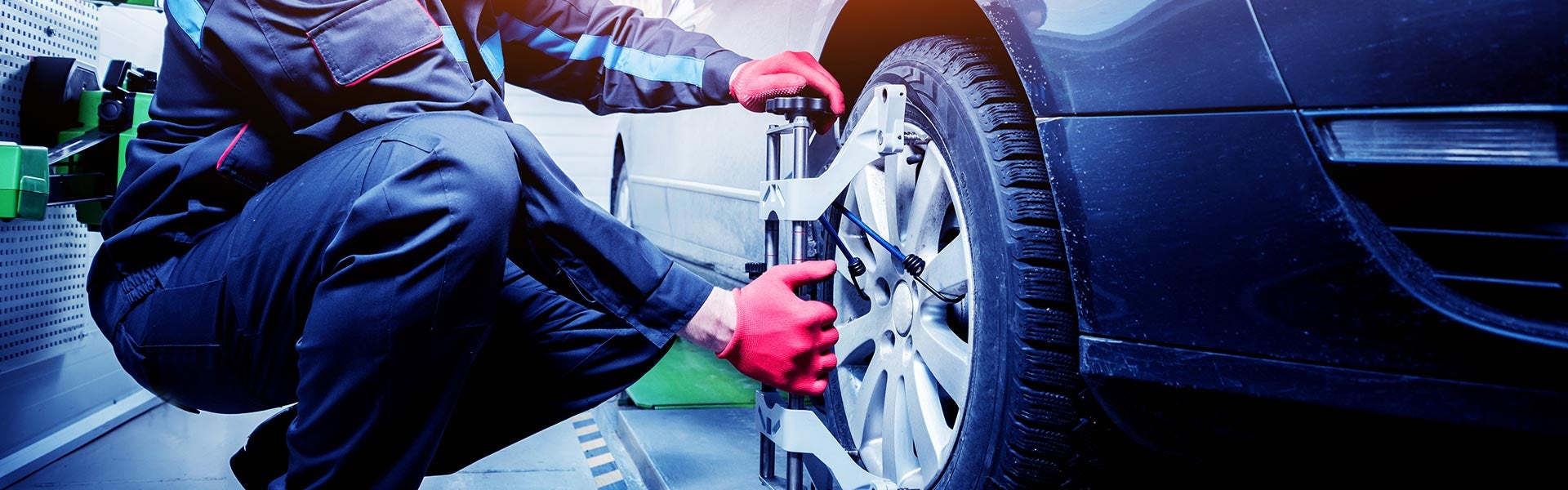
A car pulling steadily toward the shoulder is not expressing a preference. Nor is a steering wheel sitting several degrees crooked while the vehicle travels straight ahead some charming mechanical eccentricity. These can be signs that the wheel alignment deserves inspection. For drivers in Point Pleasant, NJ, a tire alignment check can help identify geometry that has wandered from specification before the evidence is carved permanently into an expensive set of tires. It's a straightforward piece of vehicle maintenance with consequences that become considerably less straightforward when ignored. Alignment Is Geometry, Not an Adjustment to the Tires Despite the name, wheel alignment isn't about adjusting the tires. Technicians measure and, where applicable, adjust suspension geometry so the wheels sit at the specified angles relative to the vehicle and road. Camber, caster, and toe influence how the tires contact the pavement and how the vehicle tracks and steers. When those measurements move outside specification, the tires can begin scrubbing rather than rolling as intended. An alignment inspection can determine if adjustment is required or if worn or damaged steering and suspension components need attention first. Your Tires Usually Produce the Evidence Uneven or unusually rapid tire wear is among the more persuasive reasons to have the alignment checked, particularly when one edge of a tire is disappearing faster than the rest. A vehicle may also pull or drift on a reasonably level road, or its steering wheel may sit off-center while traveling straight. These symptoms deserve inspection, but they don't prove alignment is the culprit. Tire pressure, tire condition, road crown, and steering or suspension problems can produce similar behavior. That's precisely why diagnosis should precede adjustment rather than treating every crooked steering wheel as an automatic alignment job. Potholes and Curbs Don't Respect Maintenance Calendars There isn't one mileage interval that sensibly covers every vehicle, road, and driver. Alignment can remain within specification for a considerable period, then one particularly ambitious pothole can change the situation in seconds. A hard curb strike, collision, abnormal tire wear, persistent pulling, or steering-wheel misalignment are sensible reasons to schedule an alignment check. Alignment should also be considered after certain steering or suspension repairs. Your vehicle's maintenance information and the condition of its tires provide better guidance than treating alignment as something universally required every few thousand miles. Bad Geometry Can Consume Good Tires The financial argument is less complicated. Tires are designed to carry loads while maintaining a particular relationship with the pavement. Incorrect toe or camber can concentrate wear where it doesn't belong, potentially shortening tire life considerably. Continuing to drive on abnormal wear doesn't improve the alignment; it simply sacrifices more tread while you wait. DeFelice Auto Center can inspect tire condition and alignment together, allowing technicians to determine if the problem lies in wheel geometry, tire condition, steering or suspension components, or some combination of them. An Alignment Check Can Reveal a Larger Problem An alignment machine can measure geometry with impressive precision, but numbers alone don't repair worn hardware. If a steering or suspension component has excessive play or damage, simply adjusting around it isn't the proper solution. A vehicle inspection can identify components that need attention before alignment specifications are set. This is also why tire service, steering and suspension service, and wheel alignment naturally overlap: all influence how the vehicle meets the road, and diagnosing them together can prevent replacing tires without addressing what damaged them. Get the Geometry Checked in Point Pleasant If your vehicle pulls to one side, the steering wheel sits crooked, or you notice uneven tire wear, your wheel alignment may need attention. At DeFelice Auto Center in Point Pleasant, our trained technicians perform comprehensive alignment checks alongside full steering, tire, and suspension evaluations. Schedule your appointment online today to address minor issues before they turn into costly repairs.
Engine Overheating

Why Is My Car Overheating? Common Causes Drivers Should Know

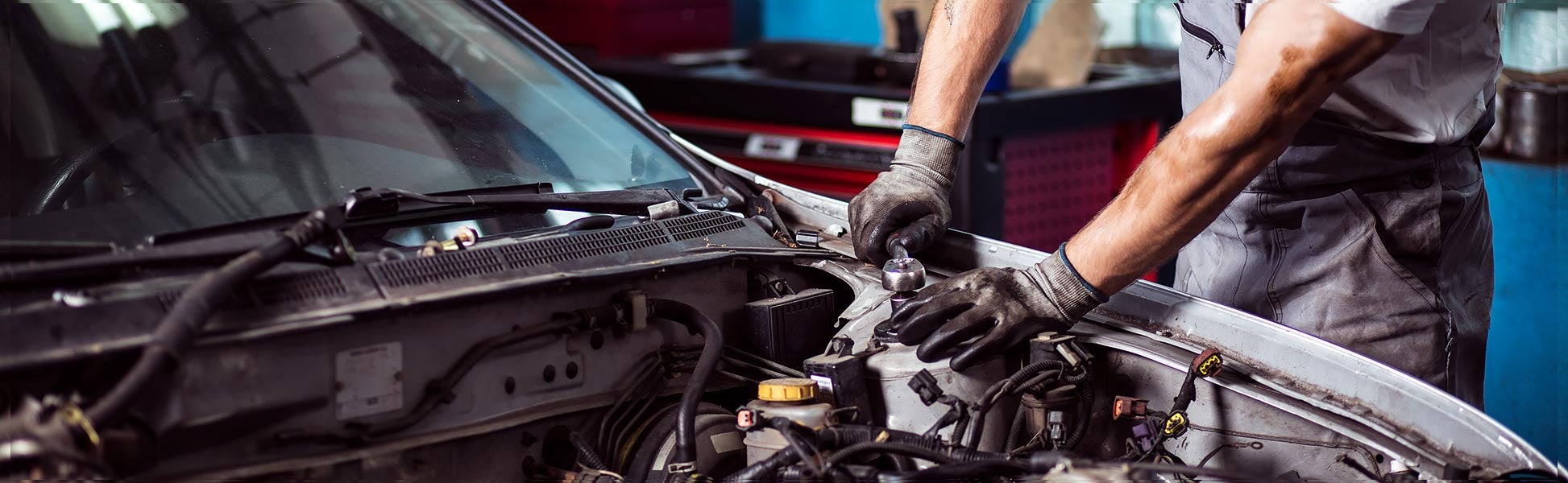
Watching your temperature gauge climb into the red zone is an alarming experience for any driver. Engine overheating in Point Pleasant, NJ can happen to any vehicle, but understanding the common causes helps you protect your engine from severe damage. If you notice your engine running hot, reach out to the certified technicians at DeFelice Auto Center in Point Pleasant, NJ for professional diagnostics and expert assistance. What Does Engine Overheating Actually Mean? When an engine overheats, the cooling system can no longer maintain a safe operating temperature. Internal combustion engines generate substantial thermal energy during normal operation, relying on coolant, radiators, and water pumps to dissipate excess heat. If any component fails, temperatures rise rapidly, placing critical engine parts at risk of warping or cracking. Low Coolant Is the Most Common Culprit Low coolant is one of the leading causes of engine overheating. Coolant circulates through the engine to absorb heat before releasing it through the radiator. When coolant levels drop due to a slow leak, an evaporated reservoir, or a damaged hose, the engine loses its primary thermal defense. Checking fluid levels regularly prevents severe overheating emergencies. A Faulty Thermostat Can Cause Big Problems The thermostat regulates the flow of coolant through the engine. When it sticks closed, coolant cannot circulate properly, causing temperatures to spike rapidly. Replacing a stuck thermostat is straightforward, but ignoring it can lead to catastrophic engine failure. If your temperature gauge rises unusually fast right after starting your vehicle, inspect the thermostat immediately. Radiator Issues and Water Pump Failures The radiator dissipates heat from the coolant before recirculating it through the block. A clogged, damaged, or leaking radiator prevents adequate heat transfer. Similarly, the water pump circulates coolant throughout the entire system. If the pump fails from a worn impeller or broken belt, coolant flow halts immediately and causes rapid overheating. Don't Ignore a Blown Head Gasket A blown head gasket is a severe issue that leads to persistent engine overheating. The gasket seals combustion chambers and prevents coolant and oil from mixing. A failed gasket allows coolant to leak into combustion chambers, diminishing cooling capacity. Warning signs include white exhaust smoke, milky engine oil, and rapid coolant loss without visible external puddles. What To Do if Your Car Starts Overheating If your temperature gauge climbs into the danger zone, turn off the air conditioning and safely pull off the road immediately. Continuing to drive an overheating vehicle causes irreversible damage. Allow the engine to cool completely before opening the hood, and never remove the radiator cap while the system is hot. Seeking professional assistance promptly is the safest choice. Visit DeFelice Auto Center in Point Pleasant Boro, NJ Engine overheating in Point Pleasant, NJ requires prompt attention to avoid costly repairs. The team at DeFelice Auto Center has the expertise and equipment to diagnose cooling system faults accurately. If your vehicle suffers from a coolant leak, a failed thermostat, or a damaged radiator, early service protects your investment. Drivers throughout Point Pleasant Boro, NJ can count on DeFelice Auto Center for dependable automotive care.

Wheel Alignment in Point Pleasant NJ

Why Alignment Matters More Than You Think Before a Road Trip

Before you load up the car and hit the highway, it’s quick and important to take a look at your tires. If you notice uneven tire wear, especially before a big trip, your wheel alignment could be the culprit. Misaligned wheels cause your tires to contact the road at the wrong angle, which means they wear down unevenly and faster than they should. Catching this problem early can save you from a blowout on the road and an unexpected repair bill far from Point Pleasant, New Jersey. What Causes Wheels to Fall Out of Alignment Alignment issues don’t always come from a dramatic event like hitting a curb or hitting a deep pothole—though those situations certainly don’t help. Everyday driving gradually shifts your alignment over time, especially in Jersey where we deal with more than just speed bumps. Rough roads, construction zones, and even normal wear on steering and suspension components can all throw things off. Drivers in Point Pleasant Boro, NJ know that road conditions can vary quite a bit depending on the season, and those conditions take a real toll on your vehicle's alignment over the months. Signs Your Alignment Needs Attention Before You Leave There are a few things to watch for before you take your next road trip. The most common sign is uneven tire wear—you might notice one edge of a tire wearing down much faster than the rest of the tread. You might also feel your vehicle pulling to one side when you let go of the steering wheel, or notice that the steering wheel itself sits at an angle even when you’re driving straight. Vibrations in the steering wheel at highway speeds can also point to an alignment or balance issue that needs to be addressed before a long drive. How Wheel Alignment Protects Your Trip and Your Tires Getting proper wheel alignment in Point Pleasant, NJ does more than just fix a steering pull. It helps your tires wear evenly across the entire tread surface, which extends their life and keeps your handling predictable. On a long highway drive, that translates to better fuel efficiency, a smoother ride, and more confidence in your vehicle. When your wheels are properly aligned, your car tracks straight with minimal effort, which reduces driver fatigue on multi-hour trips. It’s one of the easiest and most cost-effective services you can schedule before heading out. When to Schedule an Alignment Check A good rule of thumb is to have your alignment inspected at least once a year, or any time you notice unusual tire wear or handling changes. Before a road trip is one of the best times to have it checked, since you want to know your vehicle is in solid shape before putting serious miles on it with friends and family on the line. If your tires have been showing uneven wear patterns, do not wait - get it looked at right away. Pairing an alignment check with a tire rotation and inspection gives you a thorough picture of your vehicle's overall health before you go. Visit Us Before Your Next Road Trip If you are planning a trip and want to make sure your vehicle is ready, start with wheel alignment in Point Pleasant, NJ. A quick inspection can reveal problems that are easy to fix now but costly to ignore later. Stop by DeFelice Auto Center at defeliceauto.com to schedule your alignment check and head out on the road with confidence.

Contact Us

Fill out this form below and we'll contact you shortly
*Required Fields